News
As supply chains realign, India must not take shortcuts: GTRI
 Anamika Mishra,
Sub Editor
Anamika Mishra,
Sub Editor
Anamika Mishra,
Sub Editor
Anamika Mishra,
Sub Editor
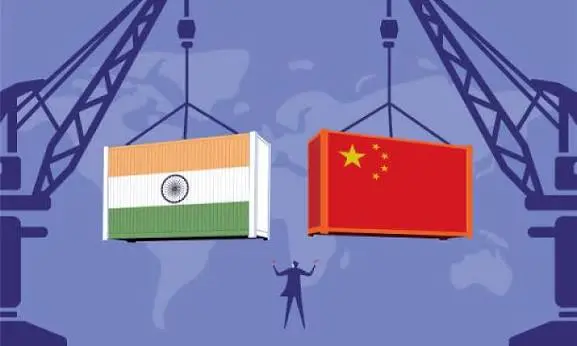
A new study by the Global Trade Research Initiative (GTRI) highlights a growing global trend called “tariff shopping,” likened to the earlier practice of “treaty shopping” used to minimize income tax liabilities. The report observes that escalating import duties between the US and China reaching as high as 145% on some Chinese goods are prompting global buyers to seek alternative production and sourcing bases.
Amid uncertainty over how long these US tariffs will remain, businesses are moving quickly to adapt. Many are setting up assembly lines, contract manufacturing units, or joint ventures that meet the threshold of “substantial transformation” without needing to build full-scale industrial ecosystems.
India and other countries are witnessing increased interest from global buyers exploring outsourcing opportunities to take advantage of lower tariffs—around 10% for non-Chinese exporters to the US market. However, the report cautions that merely rerouting Chinese products through third countries like India could trigger investigations and penalties from US Customs and Border Protection (CBP).
To avoid being classified as Chinese-origin goods, products must undergo genuine value addition and meet US non-preferential rules of origin. This includes thorough supply chain mapping, redesigning manufacturing processes, and meticulous documentation. If a product fails the “substantial transformation” test—due to high Chinese content or lack of meaningful manufacturing changes—it may still face punitive tariffs.
Conference
Conference
The GTRI report notes that this approach is gaining traction across industries like electronics, garments, furniture, toys, kitchenware, auto parts, and steel. However, compliance standards vary: for example, in textiles, the origin is determined by the fabric’s source, not the stitching location; in electronics, programming and assembly of key components like logic boards define the origin, not just final assembly.
Experts are calling for tailored policy measures to support manufacturing revivals in emerging production hubs. Adhering to origin rules is critical to maintaining access to global markets and avoiding long-term reputational and financial risks.
Explore the latest edition of Journal of Supply Chain Magazine and be part of the JOSC News Bulletin.
Discover all our upcoming events and secure your tickets today.
Journal of Supply Chain is a Hansi Bakis Media brand.
Subscribe to our Daily Newsletter
Subscribe For FreeBy continuing you agree to our Privacy Policy & Terms & Conditions