Leaders Opinion
India’s Supply Chain at an Inflection Point: Challenges, Shifts, and the Roadmap Ahead

India today is at the cusp of a historic economic and industrial transformation. As global value chains continue to reshape themselves in response to geopolitical, environmental, and technological forces, India stands at a moment of unprecedented opportunity. Our supply chain ecosystem—long characterized by complexity, fragmentation, and scale—is now evolving toward one that can be globally admired for resilience, digital sophistication, and sustainability.
The last decade has demonstrated that traditional, cost‑centric, linear supply chain models are no longer viable in a world defined by volatility, uncertainty, complexity, and ambiguity. Disruptions have become frequent and unpredictable—from pandemics, climate events, and geopolitical realignments to rapid shifts in consumer behaviour and product life cycles. These disruptions have exposed systemic vulnerabilities while also accelerating conversations on resilience and strategic readiness.
India’s response to these macro forces has been decisive. The country is entering a high‑velocity transformation cycle, driven by digital adoption at scale, large‑scale infrastructure expansion, favourable government policies, rising domestic consumption, and the increasing flow of global manufacturing investments. The future will not be defined merely by cost competitiveness, but by data-driven decision intelligence, integrated planning, workforce capability, ecosystem collaboration, and sustainable growth models.
Supply chains are no longer viewed merely as operational support systems; they are now recognized as strategic drivers of business performance, customer experience, and competitive advantage. The disruptions experienced over the past few years—including pandemic-related shutdowns, semiconductor shortages, geopolitical tensions, and logistics bottlenecks—have exposed the vulnerabilities of traditional supply chain models and reinforced the need for resilience and agility.
India’s growing importance in global manufacturing and logistics networks has further accelerated this transformation. The country’s large domestic market, skilled workforce, and expanding infrastructure provide a strong foundation for supply chain growth. Government-led initiatives such as the National Logistics Policy, Gati Shakti infrastructure program, and Production Linked Incentive (PLI) schemes are creating a favourable environment for industrial expansion and supply chain modernization. These initiatives aim to reduce logistics costs, improve connectivity, and strengthen India’s position in global value chains, making the country an attractive destination for multinational investments and manufacturing diversification.
At the same time, organizations operating in India face increasing pressure to improve service levels, reduce costs, enhance transparency, and meet sustainability commitments. Customers expect faster deliveries, real-time visibility, and consistent product availability, while regulators and stakeholders demand stronger environmental and governance standards. This complex environment requires organizations to adopt integrated and technology-driven supply chain strategies that balance efficiency, resilience, and sustainability.
The transformation of India’s supply chain is not limited to infrastructure or technology; it also involves structural shifts in organizational thinking and leadership approaches. Companies must move from siloed operations to collaborative ecosystems, from reactive planning to predictive decision-making, and from cost optimization to value creation. The ability to synchronize demand, supply, and financial planning through digital platforms and integrated business planning frameworks will be critical for achieving long-term competitiveness.

The following expanded review provides an in‑depth view of the structural challenges India must overcome, the transformational shifts underway, and a detailed roadmap to position India’s supply chain ecosystem as a global benchmark in the decade ahead.
Conference

Conference

1. Current Challenges: Complexity in Motion
India’s supply chain ecosystem is diverse, deeply layered, and still transitioning from traditional operations to modern, digitally orchestrated systems. Several systemic challenges continue to constrain end-to-end performance.
a. Fragmentation Across the Logistics Network
Despite rapid improvements, India’s logistics architecture remains complex and unevenly developed across states and industrial clusters. The co‑existence of modern expressways and outdated rural road networks, varying warehousing quality, and inconsistent multimodal integration results in a highly varied operational environment.
This fragmentation leads to:
- Higher logistics costs (among the highest globally relative to GDP)
- Greater reliance on road transport, often exceeding 60–65% of freight movement
- Limited cold chain connectivity in key sectors such as food and pharmaceuticals
- Regional disparities in transit reliability
- Lower asset utilization in warehousing and transportation
With manufacturing expanding to Tier‑2/3 cities and export hubs, bridging these gaps is essential to scale effectively.
b. Demand Volatility and Forecasting Gaps
India’s demographic diversity, expanding digital economy, and increasingly omnichannel consumption patterns create a unique and complex demand environment. Demand signals rapidly shift between retail channels, e-commerce platforms, and institutional buyers.
Organizations frequently encounter:
- Short-term volatility due to promotions, festival cycles, and local market events
- Rapid changes in product mix
- Forecast accuracy challenges caused by limited data integration
- Bullwhip effects due to limited cross-tier visibility
- Suboptimal replenishment cycles
Although forecasting technologies have advanced, many companies still operate with limited adoption of AI-based forecasting, leading to misalignment between demand plans and production capacities.
c. Talent and Capability Constraints
As supply chains modernize, talent needs are evolving far beyond traditional operational expertise. Today’s world-class supply chain workforce requires strong analytical, digital, and cross-functional collaboration capabilities.
While India has a large talent base, capability gaps persist in areas such as:
- Predictive and prescriptive analytics
- Demand and supply balancing using advanced algorithms
- Network modelling and digital twins
- Inventory optimization
- Automation and robotics supervision
- Control tower operations
- Sustainability modelling and reporting
Bridging these gaps requires structured capability-building programs, industry–academia partnerships, and exposure to global best practices.
d. Compliance, Governance, and Policy Alignment
India’s regulatory landscape is becoming more dynamic, reflecting the country’s shift toward global competitiveness and sustainability. Organizations must now navigate:
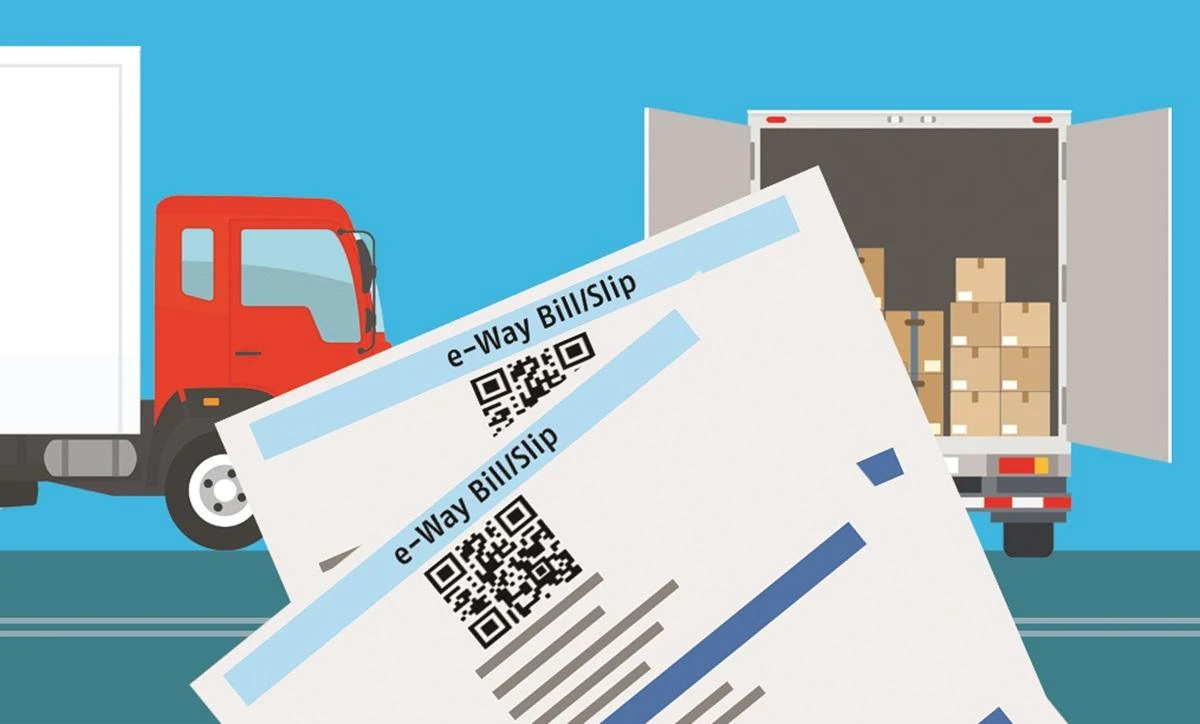
- GST updates and e-invoicing norms
- Standards on environmental compliance and waste management
- Increasingly stringent labour laws
- Evolving customs and trade policies
- Cybersecurity and data-governance mandates
A robust governance framework is essential to ensure seamless compliance across distributed supplier and logistics networks.
Overall, these structural challenges highlight the need for a coordinated and technology-enabled approach to supply chain transformation in India. Organizations that proactively address fragmentation, demand volatility, capability gaps, and regulatory complexity will be better positioned to build resilient and adaptive supply chain networks.
2. The Shifts Accelerating Transformation
Even as these challenges persist, several structural shifts are propelling India toward a more advanced, agile, and globally competitive supply chain ecosystem.
a. Digital Adoption at Scale
Indian supply chains are fast transitioning from manual operations and basic automation to hyper-connected, insight-driven, and intelligent ecosystems.
The shift includes widespread adoption of:
- Integrated Business Planning (IBP) for connecting strategy, sales, finance, and operations
- Digital control towers that provide holistic visibility, early warning signals, and scenario-based recommendations
- AI-enabled forecasting engines that adapt to real-time demand cues
- IoT-backed logistics visibility platforms enhancing safety, compliance, and asset efficiency
- Robotics and automation in warehousing and manufacturing
- Blockchain and distributed ledger systems improving trust and transparency
- Cloud-based procurement platforms for supplier collaboration
This digital leapfrogging positions India to bypass incremental improvement and move directly into next-generation operational excellence.
b. India’s Position in Global Value Chains
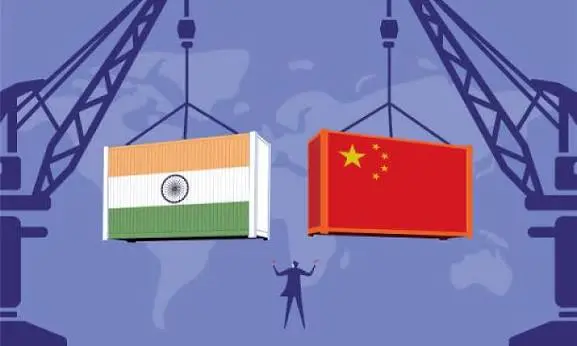
Global supply chain diversification—anchored in strategies like China+1, Europe+1, and friendshoring—has created opportunities for countries offering scale, stability, and ecosystem depth.
India stands out due to:
- Expanding manufacturing capacity
- Young and skilled workforce
- Strong policy incentives such as PLI schemes
- Strategic alliances with the US, EU, and Indo-Pacific partners
- Improving ease of doing business
- Growing supplier ecosystems for electronics, telecom, EVs, Défense, and pharmaceuticals
To fully realize this potential, India must accelerate export competitiveness by strengthening quality systems, compliance standards, and supplier innovation.
c. Infrastructure Modernization
India’s infrastructure drive is among the largest in the world, with multi-year investments reshaping logistics and industrial performance. The National Logistics Policy, Gati Shakti Master Plan, Dedicated Freight Corridors, and multimodal logistics hubs are transforming movement of goods at scale.
Improvements include:
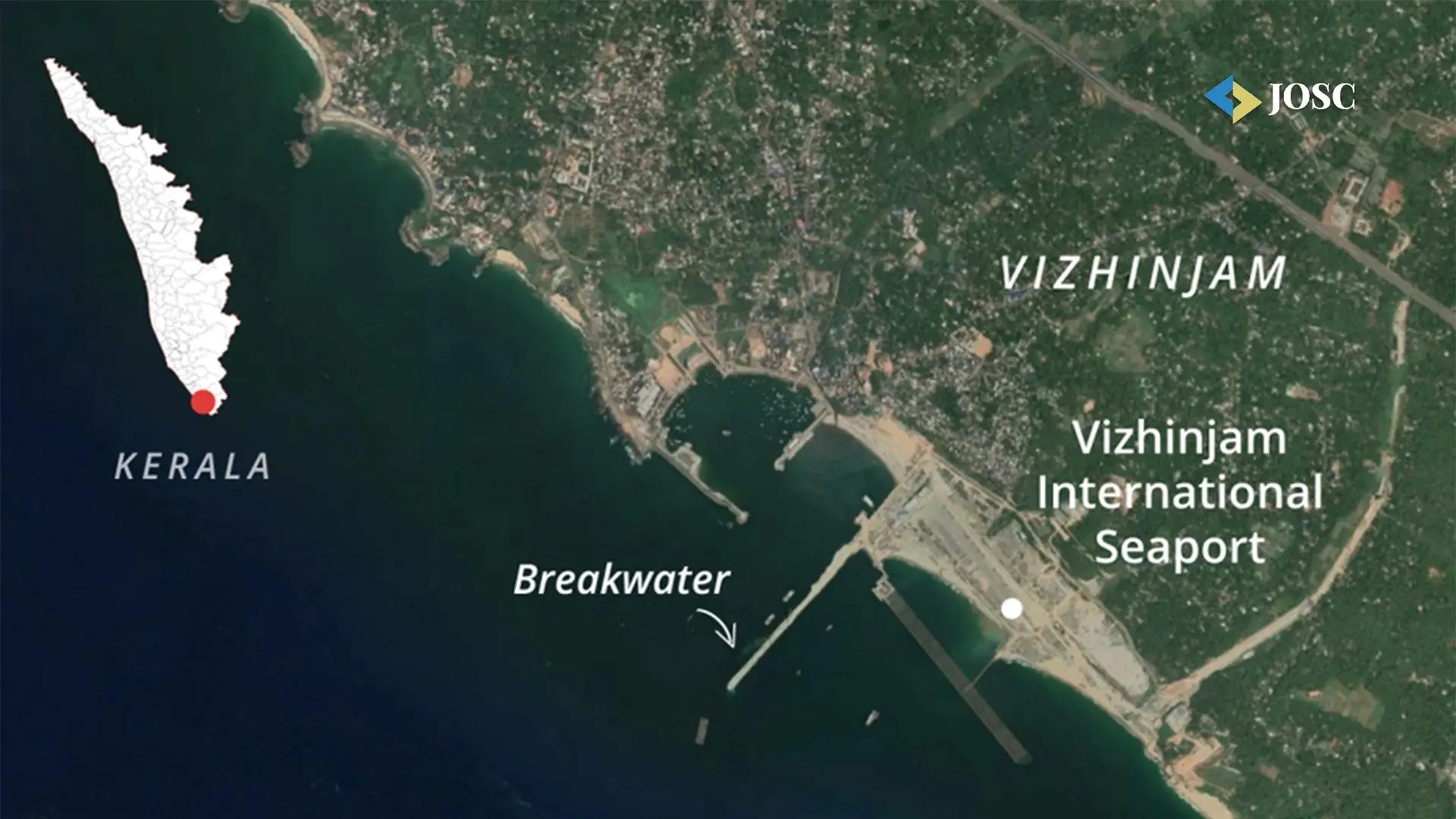
- Faster port turnaround times
- Higher cargo-handling capacity
- Industrial parks with plug-and-play facilities
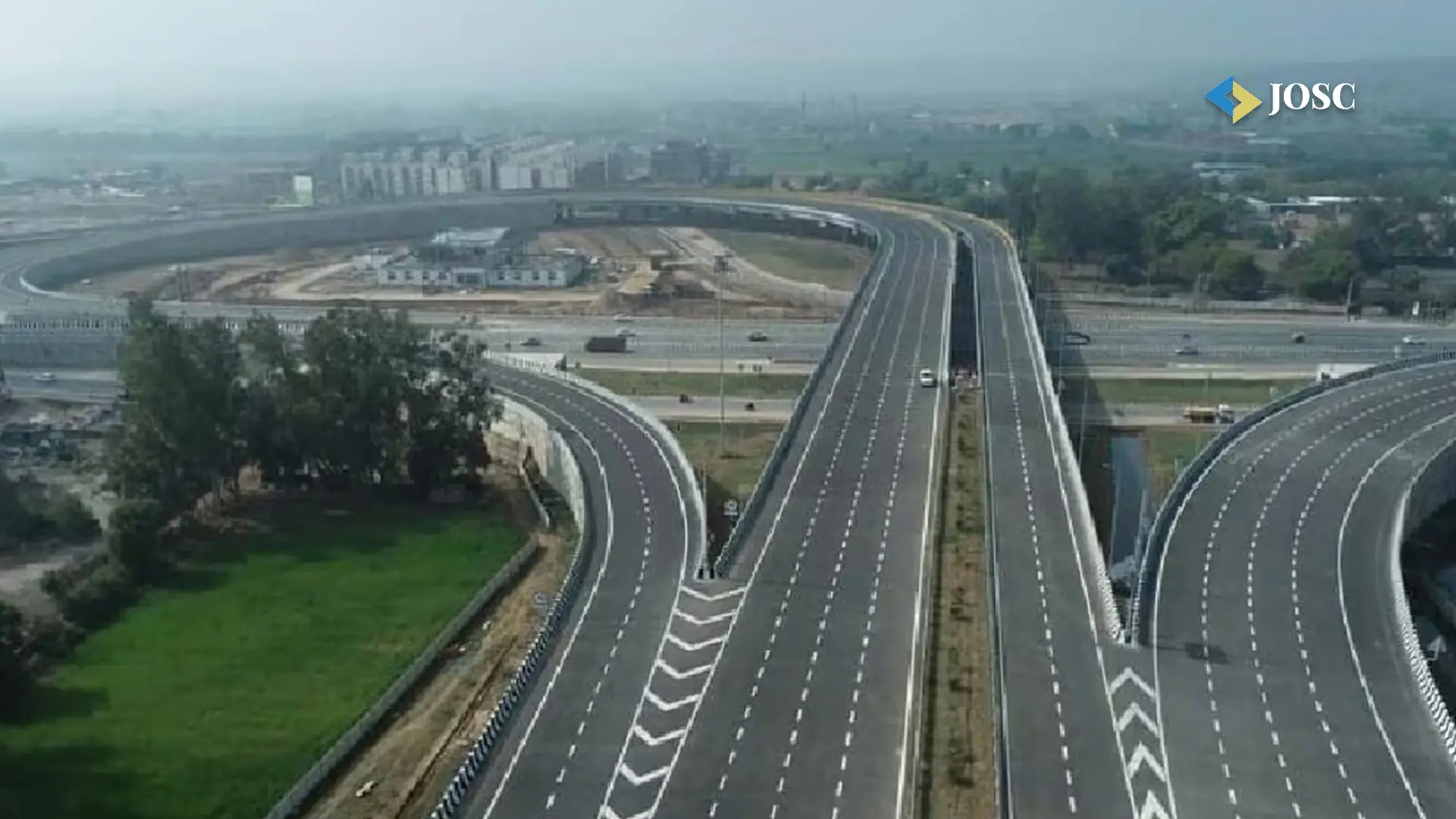
- Expansion of national highways and express networks
- Accelerated growth of third-party logistics and 4PL/5PL providers
- Increasing penetration of cold chain storage
- Digitization of customs and trade documentation
This infrastructure leap is laying the foundation for faster, more reliable, and cost-efficient supply chains.
d. Sustainability and Circularity
Sustainability has moved from being an aspiration to a board-level strategic imperative. Companies across industries are increasingly integrating ESG into their operating models.
Sustainability-driven transformation includes:
- Green warehouses with renewable energy integration
- Energy-efficient manufacturing operations
- Recyclable materials, biodegradable packaging, and circularity loops
- Low-emission fleets (EVs, LNG/CNG trucks)
- Route optimization to reduce carbon footprint
- End-of-life product management and reverse logistics
- Supplier sustainability scoring
Organizations are recognizing that sustainability not only reduces environmental impact but also improves cost efficiency, compliance readiness, and brand equity.
3. The Roadmap: What the Next Decade Demands
To become a global supply chain powerhouse, India must adopt a holistic and future-ready transformation roadmap—one that positions organizations for resilience, agility, and sustained competitiveness.
a. Build Resilience Through Multi‑Tier Visibility
True resilience comes from understanding vulnerabilities across the entire ecosystem—not just within Tier‑1 suppliers. Visibility must extend across:
- Tier‑2/3 suppliers
- Contract manufacturers
- Transportation partners
- Warehouses and distribution hubs
- Retail & last-mile networks
Enabling technologies include:
- Predictive analytics for disruption forecasting
- Early warning systems for risk events
- Digital twins simulating supply-demand scenarios
- Control towers integrating real-time insights
- End-to-end traceability through blockchain
- AI-based supplier monitoring tools
Visibility is the foundation for proactive, not reactive, supply chain management.
b. Transition from Cost Efficiency to Value Efficiency
World-class supply chains optimize value, not just cost.
Value efficiency balances five critical pillars:
- Customer experience — on-time delivery, customization, speed
- Sustainability — carbon reduction and circularity
- Agility — ability to reconfigure quickly
- Risk management — diversification and redundancy
- Total delivered cost — end-to-end optimization, not siloed savings
Organizations embracing this holistic view evolve supply chain from an operational function to a strategic value creator.
c. Invest in Workforce Capability
Technology is only as powerful as the capability of the people who operate it.
Building a next-generation workforce requires:
- Structured learning academies for digital supply chain skills
- Upskilling in analytics, scenario planning, and data interpretation
- Talent exchanges with global teams for exposure
- Certification programs in IBP, S&OP, Lean, Six Sigma, ESG, etc.
- Leadership development focused on cross-functional decision-making
India must build a bench of digitally fluent supply chain leaders to accelerate global competitiveness.
d. Embrace Collaborative Ecosystems
Future competitiveness will be determined by ecosystem strength—not standalone excellence.
Collaboration opportunities include:
- Shared logistics and warehousing infrastructure
- Co-investment in automation and digital capabilities
- Supplier development and innovation programs
- Industry-wide sustainability initiatives
- Standardized platforms for visibility and data exchange
- Government–industry partnerships for export competitiveness
Collaborative ecosystems unlock scale, speed, and efficiency.
e. Reinforce Sustainability at the Core
Sustainability must become deeply embedded into operational DNA.
Leading companies will integrate:
- Green energy across manufacturing and logistics
- Material circularity in product design
- Water-positive and waste-neutral facilities
- Carbon-neutral operations
- End-of-life asset recovery processes
- Transparent ESG reporting in line with global standards
Long-term competitiveness will increasingly depend on environmental stewardship.
Conclusion: A Decade of Possibility
India’s supply chain ecosystem stands at a critical inflection point, shaped by global realignments, technological disruption, sustainability imperatives, and evolving market expectations. The transformation underway is not limited to infrastructure development or digital adoption; it represents a comprehensive shift in how supply chains are designed, managed, and integrated into national and global economic frameworks. As organizations increasingly focus on resilience, agility, and efficiency, supply chain strategy is emerging as a key driver of long-term competitiveness and economic growth.
Yet capturing this opportunity requires more than ambition. It demands:
- Strong governance
- Data-driven decision-making
- Modernized planning systems
- Global-quality processes
- Strategic workforce development
- Deep ecosystem partnerships
- Sustainability leadership
Organizations that embrace this transformation with discipline and foresight will emerge as industry leaders—not just within India, but on the global stage.
India has the scale, capability, and resilience to become a global supply chain powerhouse.
The choices organizations make today—how they invest, how they collaborate, and how they innovate—will determine how quickly this vision becomes reality.
The coming decade is not just about growth.
It is about building resilient, intelligent, and sustainable supply chains that will power India’s journey to global leadership.
The convergence of policy support, industrial expansion, and digital innovation provides a strong foundation for this transformation, positioning India to play a central role in the global supply chain landscape in the years to come.
Explore the latest edition of Journal of Supply Chain Magazine and be part of the JOSC News Bulletin.
Discover all our upcoming events and secure your tickets today.
Journal of Supply Chain is a Hansi Bakis Media brand.
Leave Comment
Join the community of 150,000+ industry professionals
Subscribe to our Daily Newsletter
Subscribe For FreeBy continuing you agree to our Privacy Policy & Terms & Conditions
Latest






Feature Articles


Related