Article
Where are trucking rates headed in 2025?
 Anamika Mishra,
Sub Editor
Anamika Mishra,
Sub Editor
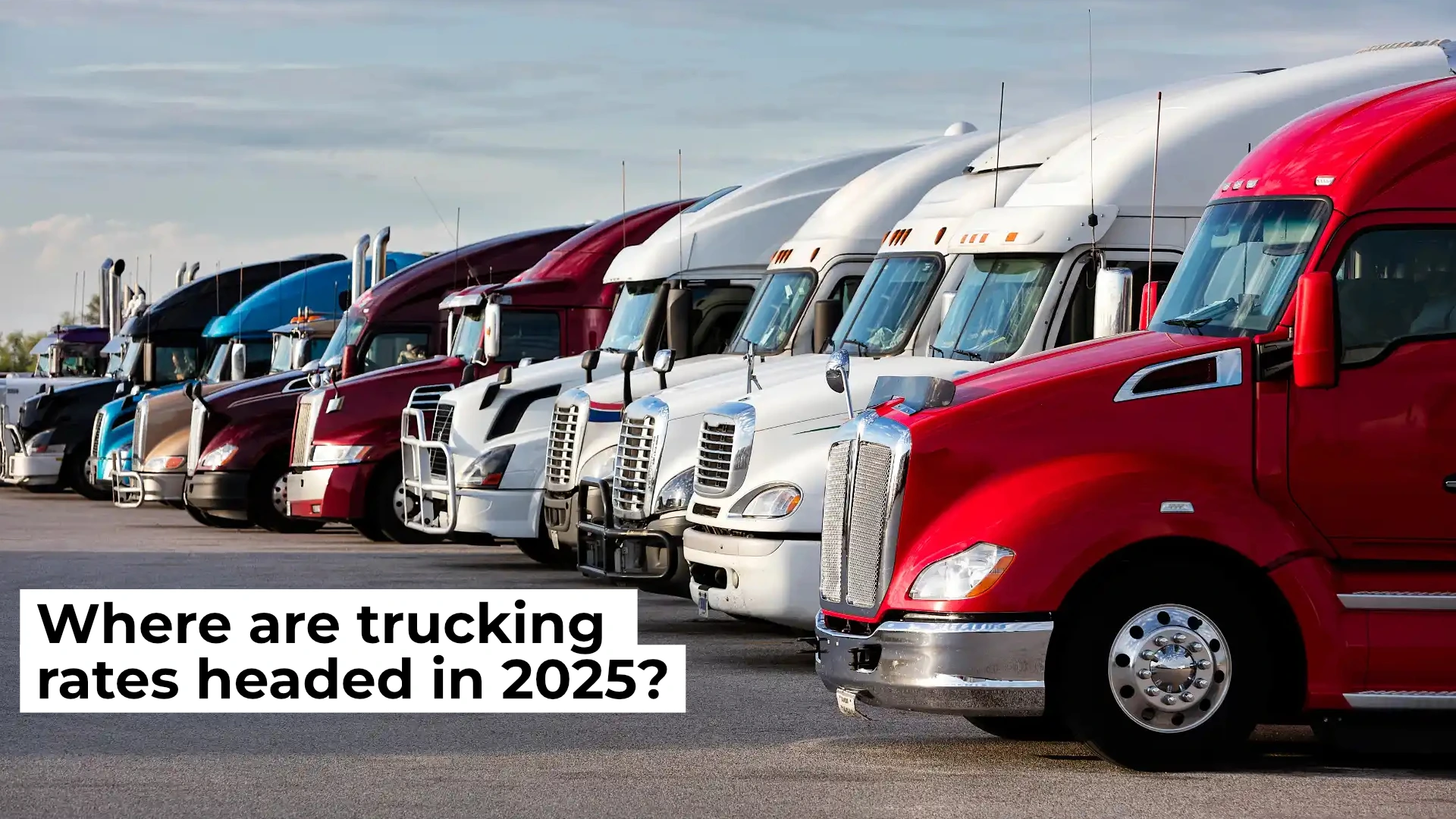
As we progress through 2025, India's trucking industry is poised for significant developments, influenced by economic growth, infrastructure initiatives, and evolving market dynamics.
Market Growth and Economic Indicators
The road freight transport market in India was valued at approximately ₹12.13 trillion in 2023 and is projected to reach ₹18.89 trillion by 2029, reflecting a compound annual growth rate (CAGR) of about 9.43%.
This robust growth is underpinned by the country's expanding economy and increasing demand for efficient logistics solutions.
Infrastructure Development and Policy Initiatives
Government initiatives such as the PM Gati Shakti and the Logistics Efficiency Enhancement Program (LEEP) aim to optimize logistics through multimodal connectivity and technological advancements. The development of over 35 logistics parks and a nationwide emphasis on transitioning to Zero Emission Trucks (ZETs) are critical steps toward reducing diesel dependency, operational costs, and greenhouse gas emissions, paving the way for a sustainable future.
Challenges and Operational Costs
Despite these advancements, the industry faces challenges, notably high logistics expenses, which account for 14% of the GDP. The sector's heavy reliance on diesel contributes to elevated operational costs and emissions. In response, companies like Tata Motors have announced price increases for their commercial vehicles to offset rising production costs. Specifically, Tata Motors declared a price hike of up to 2% for its commercial vehicles, including trucks and buses, effective from January 2025.
Technological Integration and Future Outlook
The integration of technology, such as digital freight matching platforms and fuel-efficient vehicles, is transforming the industry. These advancements are expected to enhance efficiency and reduce costs. Additionally, the global outlook for heavy-duty trucks anticipates a stabilization of sales, with projections indicating a potential increase of up to 5% in 2025.
In summary, India's trucking industry in 2025 is navigating a landscape of growth and transformation. While challenges like high operational costs persist, strategic infrastructure developments, policy initiatives, and technological advancements are steering the sector toward a more efficient and sustainable future.
Explore the latest edition of Journal of Supply Chain Magazine and be part of the JOSC News Bulletin.
Discover all our upcoming events and secure your tickets today.
Journal of Supply Chain is a Hansi Bakis Media brand.
Leave Comment
Join the community of 150,000+ industry professionals
Subscribe to our Daily Newsletter
Subscribe For FreeBy continuing you agree to our Privacy Policy & Terms & Conditions
Latest