Article
Supply chain feels the ripple effect of truck strike on day one
 Anamika Mishra,
Sub Editor
Anamika Mishra,
Sub Editor
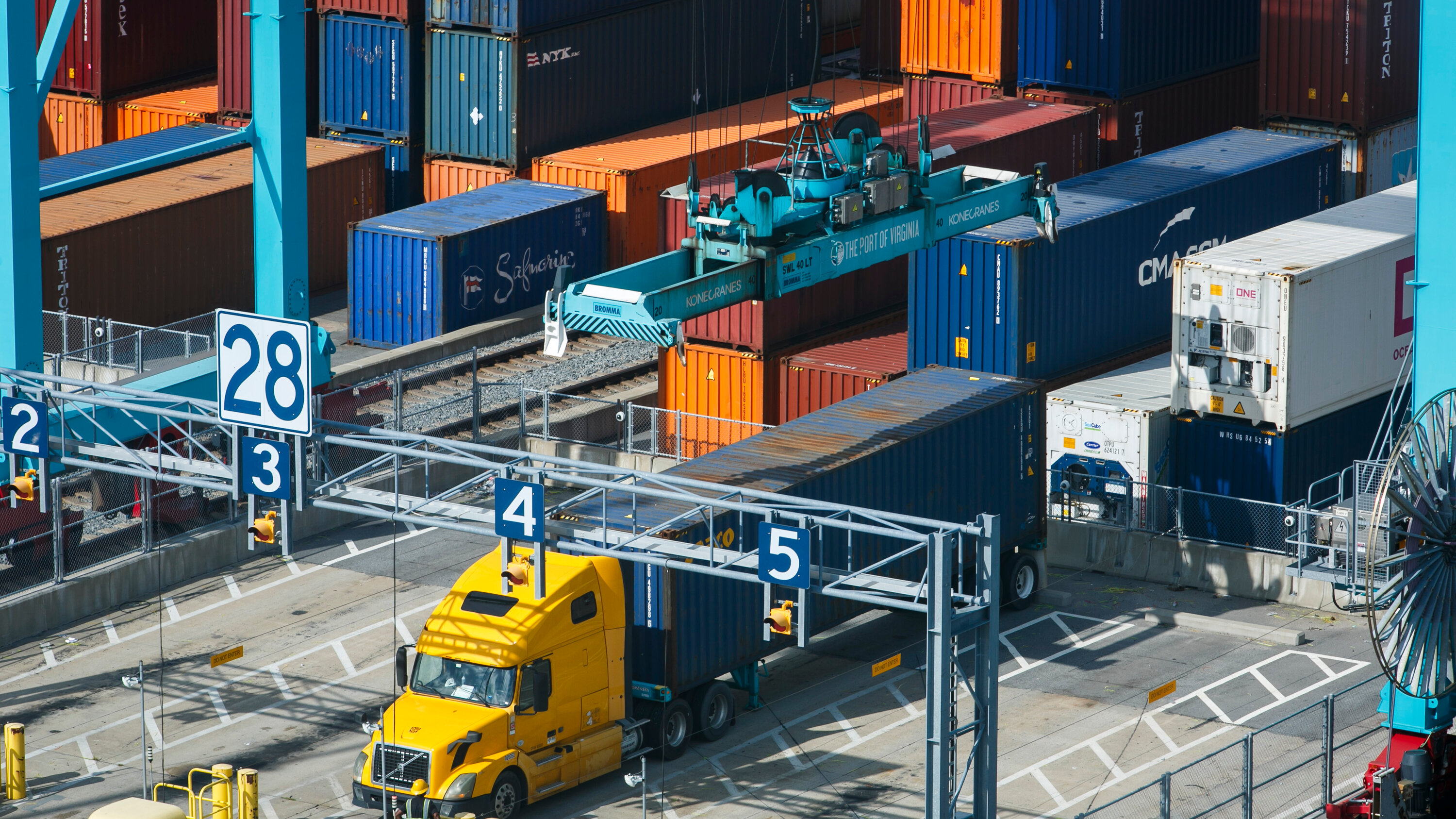
The truckers’ strike that began at midnight on Monday has already begun to disrupt the flow of goods across Karnataka, with over six lakh trucks staying off the roads in the state alone. Though only in its first day, the effects are being felt widely from farm markets to factories, and from retail shops to construction sites.
The strike was called by several transport unions protesting the implementation of the Bharatiya Nyay Sanhita (BNS), the new criminal law that replaces the Indian Penal Code (IPC). The truckers’ primary concern lies with stricter punishments for hit-and-run cases, including jail terms of up to 10 years. Drivers argue that the law unfairly targets them, adding to the pressures they already face on the road.
“We already work in high-risk, low-pay conditions. Now they want to put us behind bars for accidents? This is too much,” said one truck operator based in Bengaluru.
Essential Services Exempt, But Key Sectors Affected
While essential services like milk supply have been exempted from the strike, the absence of trucks carrying vegetables, LPG cylinders, industrial raw materials, and construction supplies has slowed daily life. In major urban centers like Bengaluru, Hubballi and Mangaluru, wholesale markets began seeing reduced inflow of goods by Tuesday morning.
Perishable goods are especially vulnerable. Farmers who had harvested produce for market deliveries are now watching their stock rot. Traders are worried about loss of revenue, while consumers are already seeing price increases in vegetables and daily-use items.
In Bengaluru’s KR Market, one of the largest wholesale hubs, vendors reported that deliveries of tomatoes, onions, and leafy greens were down by 30–40% on the first day.
Industries Brace for Delays
The industrial sector is also feeling the pressure. Karnataka’s manufacturing hubs such as Peenya Industrial Area in Bengaluru and auto-component clusters in Belagavi rely on the steady movement of raw materials and components. With transport services on hold, production timelines are already being disrupted.
Factories working on “just-in-time” inventory systems where materials arrive exactly when needed are particularly vulnerable. Any delay in one part of the supply chain can stall entire assembly lines, leading to loss of time, money, and even international orders.
E-Commerce and Retail Hit Logistics Wall
Online retailers, courier companies, and large-format retail chains are also beginning to feel the heat. With deliveries delayed and warehouses unable to dispatch goods on time, the normally swift operations of e-commerce players are slowing down. Customers across Karnataka are receiving notifications about delayed or rescheduled deliveries.
Local courier businesses, which move bulk orders between districts and cities, say the disruption is already worse than during a normal festival rush.
Conference

Conference

Government Response and the Way Forward
The government has taken note of the strike's early impact and has begun talks with transport unions at both the central and state levels. Karnataka’s transport department is closely monitoring key routes and has asked for cooperation in maintaining law and order. However, transport unions remain firm in their demand for the withdrawal or revision of the controversial clause under the BNS.
If the strike stretches over the next few days, experts warn that supply chain bottlenecks could turn into full-blown shortages, driving up prices, halting construction projects, and impacting exports.
A Wake-Up Call
The truckers' protest is more than a disruption, it’s a wake-up call for how dependent the economy is on these drivers. They move over 60% of India’s goods, linking farms, factories, ports, and retail stores. Karnataka’s experience on just day one of the strike makes this dependence crystal clear.
As talks continue, it’s vital for policymakers and industry leaders to recognize the concerns of the transport community. A long-term solution that ensures both road safety and the dignity of India’s truck drivers is the need of the hour.
Explore the latest edition of Journal of Supply Chain Magazine and be part of the JOSC News Bulletin.
Discover all our upcoming events and secure your tickets today.
Journal of Supply Chain is a Hansi Bakis Media brand.
Leave Comment
Join the community of 150,000+ industry professionals
Subscribe to our Daily Newsletter
Subscribe For FreeBy continuing you agree to our Privacy Policy & Terms & Conditions
Latest







Feature Articles



Related