Article
Ocean Freight vs. Air Freight: The Best Strategies for 2025 "Balancing Cost, Speed and Sustainability"
 Anamika Mishra,
Sub Editor
Anamika Mishra,
Sub Editor
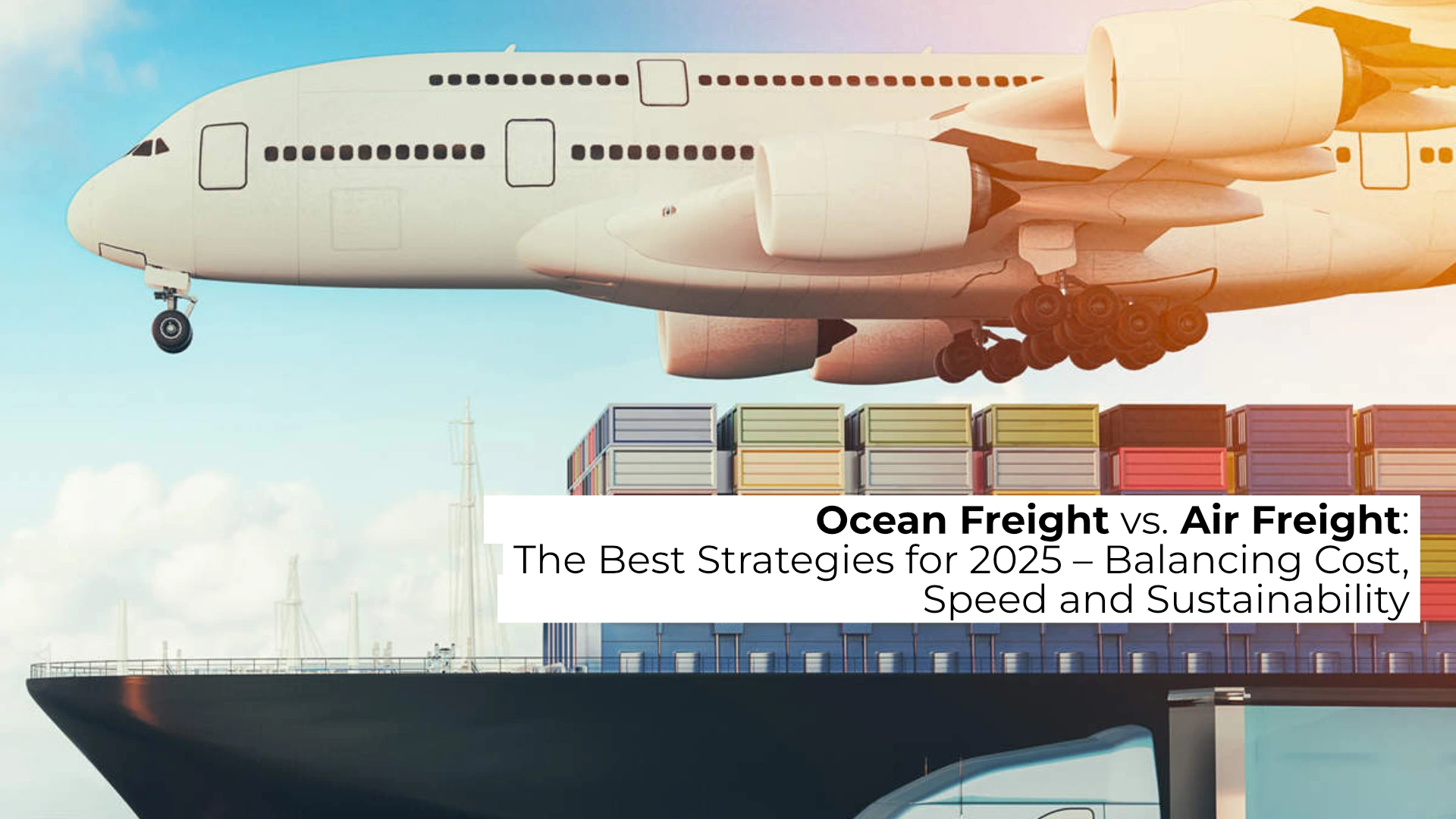
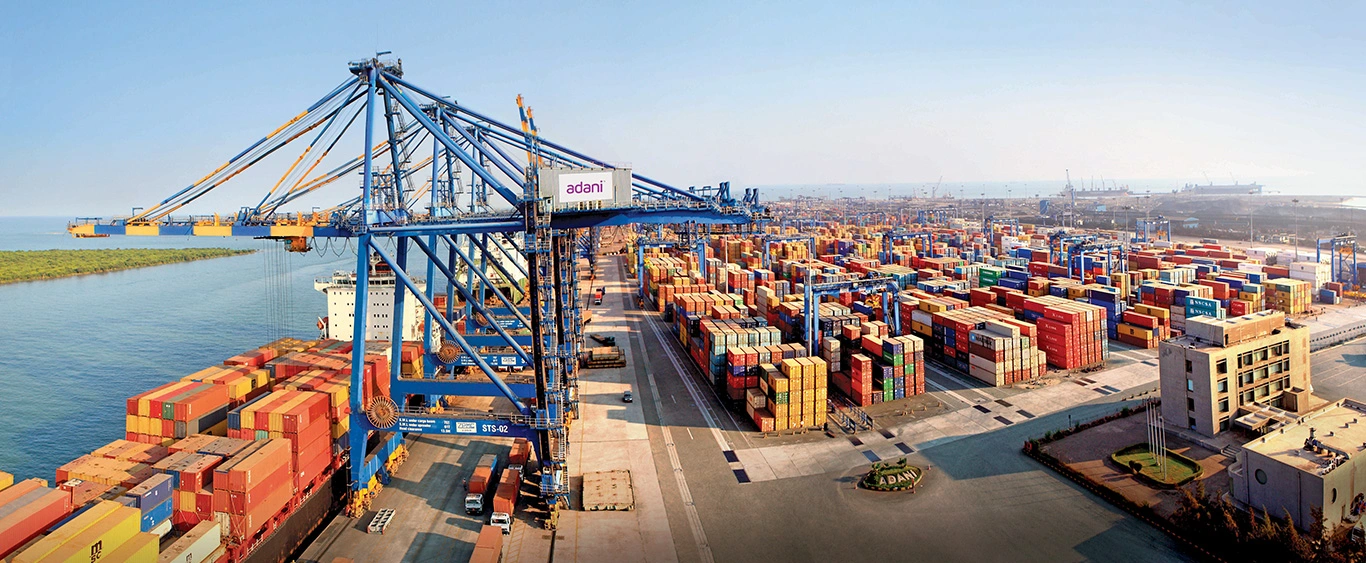
When it comes to global shipping, businesses are constantly weighing the pros and cons of ocean freight vs. air freight. In 2025, companies must consider not just cost and speed, but also sustainability, as eco-friendly logistics become a top priority. So, how do you strike the right balance? Let’s dive into the best strategies for making smart shipping choices in 2025. Ocean Freight: Cost-Effective and Eco-Friendly Why Choose Ocean Freight? Ocean freight remains the go-to choice for companies prioritizing cost savings and large shipments. Shipping by sea is significantly cheaper than air transport, making it ideal for bulk cargo and businesses looking to keep overhead costs low. Key Benefits of Ocean Freight: Lower Costs: Compared to air freight, sea shipping can be up to 5 times cheaper, especially for large loads. Sustainability Factor: Ocean freight produces fewer carbon emissions, making it the greener choice. High Capacity: Ships can transport massive amounts of cargo, making it perfect for businesses with high-volume
The only supply chain registration you need
Unrivaled context behind every news and article for free.
RegisterJoin the community of 150,000+ industry professionals
Subscribe to our Daily Newsletter
Subscribe For FreeBy continuing you agree to our Privacy Policy & Terms & Conditions
Latest