Overview
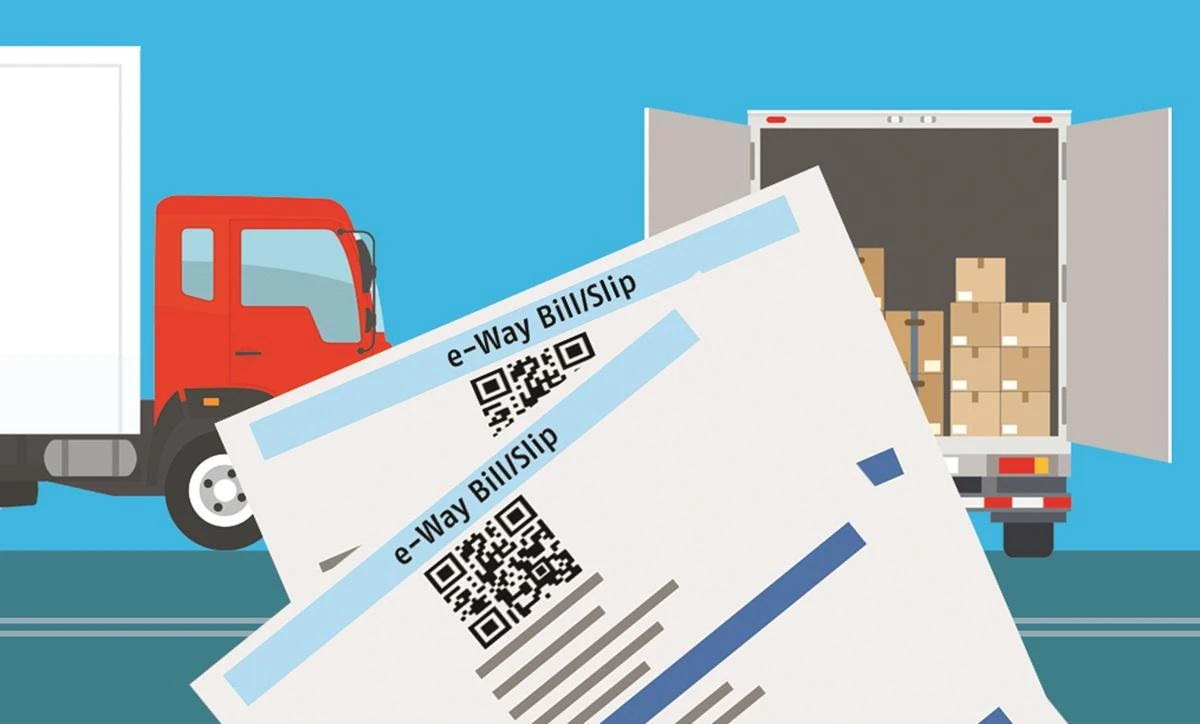
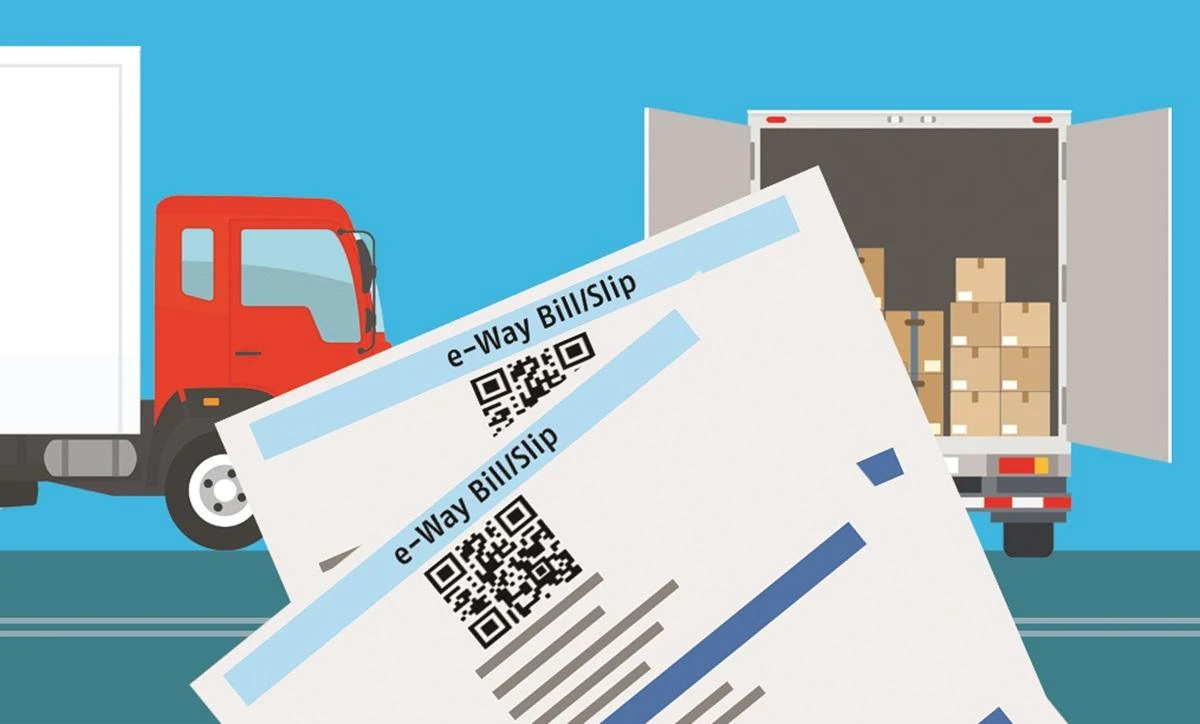
India recorded a sharp jump in e-way bill generation in January, with volumes touching 136.83 million, marking the second-highest monthly figure to date. The 42.6% year-on-year rise points to resilient consumption demand and improving on-ground economic activity. Analysts view the trend as a constructive indicator for GST collections and broader economic health, in line with upbeat GDP growth expectations. At the same time, the pace of expansion highlights emerging pressures on supply chains and logistics systems, underscoring the need to assess long-term sustainability and operational readiness.
The January surge in e-way bill issuance offers a clear signal of economic momentum. At 136.83 million, volumes were up 42.6% compared with 95.96 million in January 2025. The figure came close to December’s record high of 138.39 million, suggesting sustained intensity in goods movement as the year turned. This acceleration mirrors underlying consumption strength, supported in part by policy interventions such as GST rate rationalisation and improved compliance mechanisms.
Since its rollout in 2018, e-way bill data has served as a reliable proxy for tracking economic activity. Current levels indicate a marked recovery and expansion relative to earlier phases, including the post-pandemic period when monthly volumes were materially lower. The uptick is widely regarded as a leading indicator for GST inflows, with collections for January and February expected to remain robust. The trend aligns with broader macro projections, with India’s real GDP growth estimated at 7.4% for FY2025-26, underpinned by private final consumption expenditure rising to 61.5% of GDP. Industrial output, particularly manufacturing, has also gained traction, posting 8.4% growth in the first half of FY26. Economists interpret the broad-based increase in goods movement as evidence of sustained momentum across manufacturing and logistics.
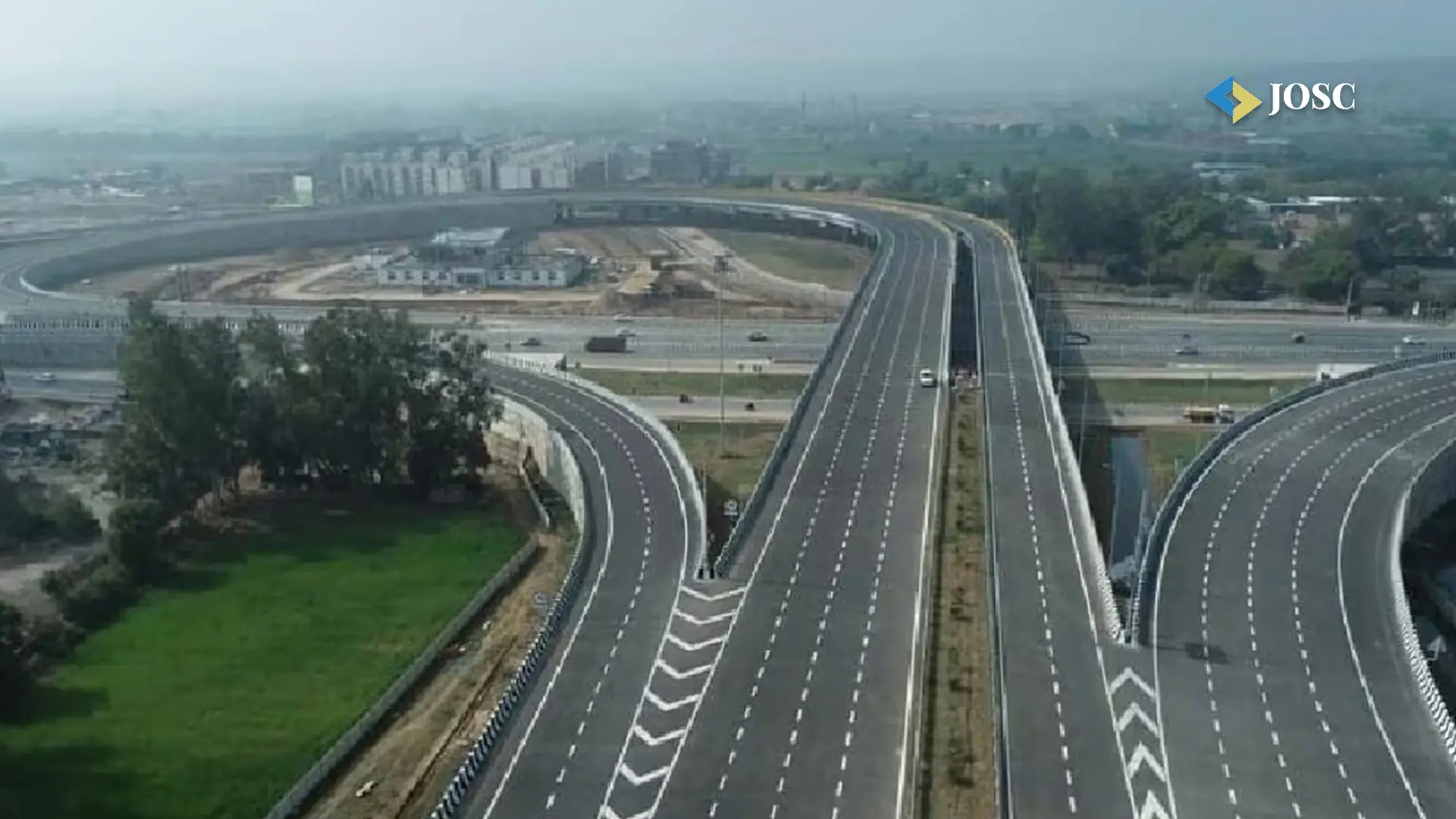
Despite the largely positive narrative, the rapid rise in e-way bill volumes raises concerns around durability and capacity constraints. While better compliance explains part of the increase, the scale of activity could place added strain on India’s logistics infrastructure. Elevated logistics costs, estimated at 13–14% of GDP, along with heavy reliance on road transport, remain structural challenges. If efficiency gaps persist, the surge could contribute to inflationary pressures. There is also the possibility that a portion of the growth reflects inventory stocking ahead of expected demand rather than purely organic consumption. The Economic Survey has previously called for repositioning the e-way bill framework from a compliance tool to a logistics enabler, suggesting friction still exists. Rising freight volumes may test infrastructure limits, leading to delays and higher operating costs for businesses.
Going forward, sustained e-way bill activity is likely to support strong GST collections and reinforce fiscal stability. Growth projections for FY2026-27 remain optimistic, ranging between 6.8% and 7.2%. The correlation between e-way bill volumes and economic performance suggests domestic consumption will continue to anchor expansion. However, attention is expected to shift towards strengthening supply-chain efficiency and resilience to sustain growth without triggering cost pressures. Upcoming GST Council discussions are likely to focus on system upgrades and logistics optimisation, aimed at balancing regulatory oversight with smoother goods movement.
Explore the latest edition of Journal of Supply Chain Magazine and be part of the JOSC News Bulletin.
Discover all our upcoming events and secure your tickets today.
Journal of Supply Chain is a Hansi Bakis Media brand.
Subscribe to our Daily Newsletter
Subscribe For FreeBy continuing you agree to our Privacy Policy & Terms & Conditions