Article
Incentives must to get speciality chemicals supply chains to India: PwC-Assocham report
 Anamika Mishra,
Sub Editor
Anamika Mishra,
Sub Editor
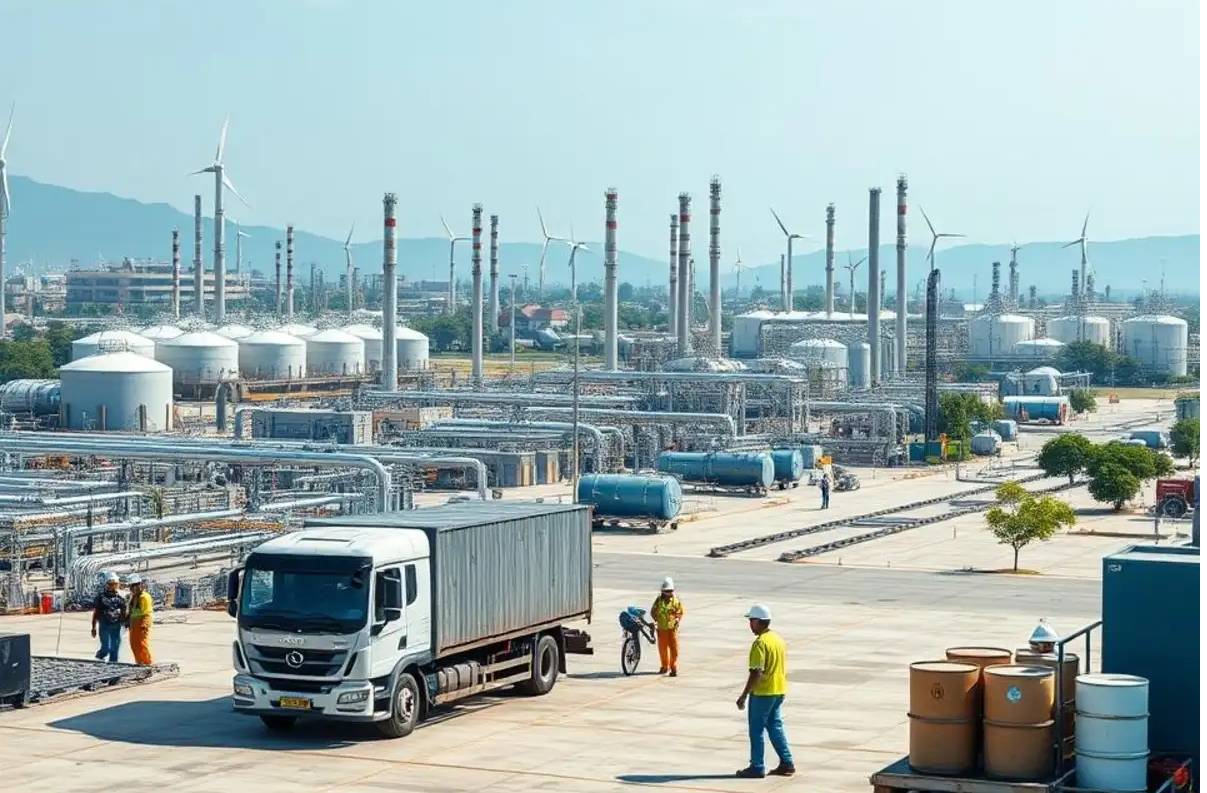
India’s specialty chemicals sector is standing at a critical crossroads. A new report jointly released by PwC and Assocham titled “Indian Chemical Industry: Enablers to Make India a Growth Hub for Chemicals” makes a compelling case for urgent government intervention. According to the study, to truly anchor specialty chemical supply chains in India, the Centre must roll out attractive incentives and enforce safeguard duties.
The report points out that while the domestic chemicals industry shows immense potential for growth, it is grappling with multiple challenges. Chief among them is the increasing commoditisation of specialty chemicals, a trend that is steadily squeezing profit margins. As competition intensifies globally, India’s manufacturers find themselves pressured to offer lower prices, often at the cost of quality and innovation.
But that’s not the only headwind. Adding a layer of complexity is the impact of reciprocal tariffs, particularly those imposed by the United States. The PwC-Assocham report notes that these tariffs have disturbed cost structures and are beginning to weigh down the global competitiveness of Indian chemical exports. As these changes ripple through supply chains, companies are facing supply disruptions and rising input costs. It’s a situation that demands strategic action if India is to emerge stronger in the global specialty chemicals market.
The solution, according to the report, lies in a multi-pronged approach. First and foremost, India must focus on becoming cost-competitive in the global arena. This involves a serious rethinking of supply chain strategies, streamlining operations, reducing inefficiencies, and perhaps most importantly, tapping into export subsidies. By offering well-calibrated incentives, the government can empower Indian chemical companies to match and surpass global peers in both pricing and quality.
Conference

Conference

Another key recommendation is the adoption of advanced technologies. The report stresses that to stay relevant in a fast-evolving international marketplace, India’s chemical manufacturers must invest in innovation from process improvements to product enhancements. Technologies that enhance productivity, improve product quality, and reduce environmental impact can give Indian companies a much-needed edge.
Moreover, while incentives and technology upgrades are important, policy support remains the backbone of this transformation. The report suggests that safeguard duties which act as a protective barrier against unfair imports could offer breathing space for Indian manufacturers. Such measures would allow the domestic industry to scale up operations, invest in Redemand gradually lower production costs.
It is also essential to recognise the broader global context. Supply chain disruptions in recent years whether triggered by the pandemic, geopolitical tensions, or climate events have shown that resilient supply chains are now a strategic imperative, not just an economic advantage. India, with its skilled workforce and growing manufacturing base, is well-placed to position itself as a global hub for specialty chemicals. However, the window of opportunity will not remain open forever. Other nations are also vying for a bigger share of the market.
Interestingly, the release of this report coincides with broader conversations about India’s strategic priorities. Issues like the Pahalgam terrorist attack and escalating tensions around the Indus Treaty highlight the importance of economic resilience and self-reliance in uncertain times. Strengthening the specialty chemicals sector could not only boost exports but also insulate India’s economy from external shocks.
Clearly, the path forward demands collaboration between industry stakeholders and policymakers. By addressing cost challenges, removing structural bottlenecks, and fostering a culture of innovation, India can create an ecosystem where specialty chemicals manufacturing can thrive.
In short, the message from the PwC-Assocham report is loud and clear: The Indian chemical industry is brimming with potential. But to translate that potential into sustainable global leadership, the Centre must act decisively with smart incentives, thoughtful protectionist measures, and a relentless focus on innovation. The future of India’s specialty chemicals industry could very well be a success story in the making provided the right moves are made.
Explore the latest edition of Journal of Supply Chain Magazine and be part of the JOSC News Bulletin.
Discover all our upcoming events and secure your tickets today.
Journal of Supply Chain is a Hansi Bakis Media brand.
Leave Comment
Join the community of 150,000+ industry professionals
Subscribe to our Daily Newsletter
Subscribe For FreeBy continuing you agree to our Privacy Policy & Terms & Conditions
Latest





Feature Articles




Related