Article
The Impact of GST Regulations on Supply Chain and Logistics in India
 Anamika Mishra,
Sub Editor
Anamika Mishra,
Sub Editor

The Goods and Services Tax, launched in India on 1 July 2017, was aimed at consolidating indirect taxation, a measure intended to create an integrated, single national market. At the end of its fourth year, it's important to review the wide impact of this crucial tax reform on Indian economy sectors including supply chain and logistics. GST is not only the ease of doing business, but it is a way of doing business. How? Let's understand its matrix.
Some Positive Impact of GST on Supply Chain and Logistics
The new tax regime wiped out all the cascading effects of multiple taxes, such as VAT, excise duty, and service tax. Business operations became costlier because of these multiple taxes. The new tax regime of GST replaced all those taxes and showed one integrated tax that cut down the total tax and brought in more profitability.
GST has brought in one single tax return. In this very system, the compliance procedure has been made simpler and the paperwork reduced. This has improved efficiency and transparency in supply chain operations.
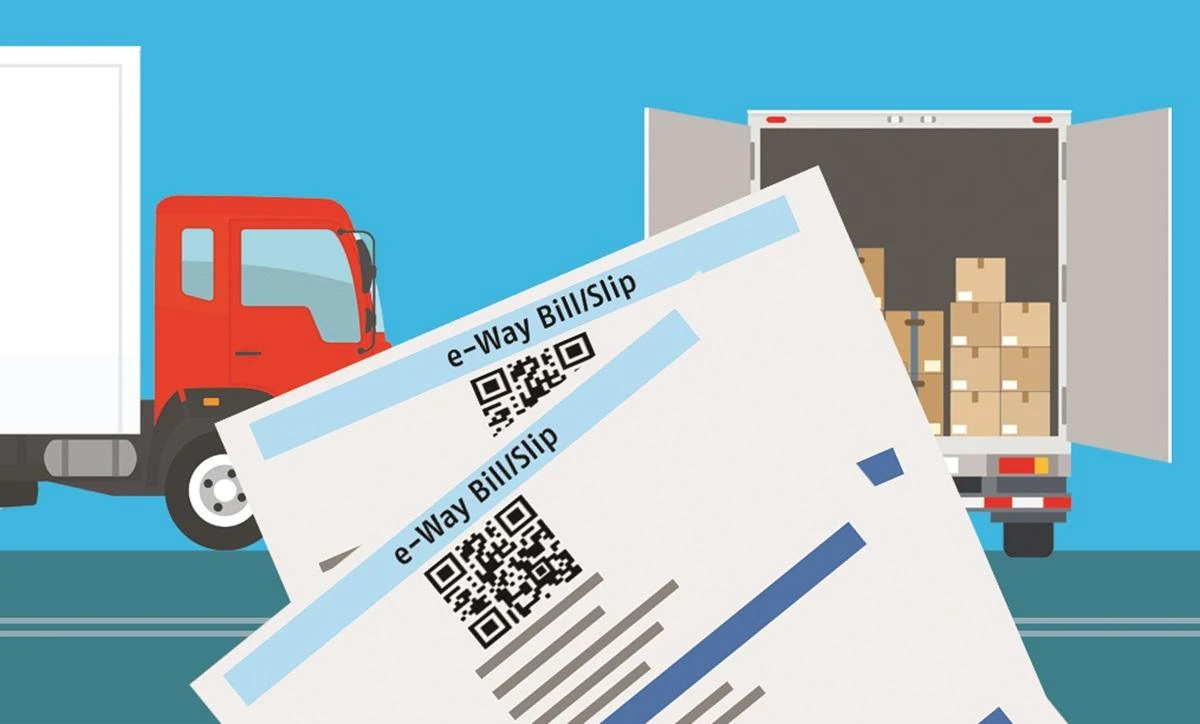
The removal of check posts and electronic waybills (e-way bills) has seen transit times and transportation costs plummet. Companies benefit most in longish supply chains.
The positive effects of GST on business have increased investments as well as boosted economic growth. An efficient and transparent supply chain, which has led to enhanced competitiveness and exports, is yet another added benefit.
Implementation of GST resulted in fast-paced digitalization in supply chain and logistics. Technological tools such as e-way bills, electronic invoicing, and others that improve traceability and accountability better help to maintain continuous smooth flow.
Conference

Conference

Data and Business Growth Scale
According to a study by the Confederation of Indian Industry (CII), logistics costs in India have reduced by 10-15% since the implementation of GST. This has led to improved margins for businesses and increased competitiveness. Also, Tax authorities have detected goods and service tax evasion of 40,000 cr in over a year, largely on the account of fake invoices and fraud input tax credit claims.
The simplified tax regime under GST has resulted in reduced paperwork and improved efficiency in supply chain operations. Businesses have reported a significant reduction in the time taken for goods to move from factories to customers.
The GST regime has created new opportunities for the logistics sector, with growth rates exceeding 10% in recent years. The demand for efficient and reliable logistics services has increased due to factors such as e-commerce and the growing manufacturing sector.
GST has made it easier for Indian businesses to compete in the global market by reducing the cost of doing business. This has led to a surge in exports, with sectors such as pharmaceuticals, engineering goods, and textiles witnessing significant growth.
Attracting Manufacturers to India
The positive impacts of GST on supply chain and logistics have made India a more attractive destination for manufacturers. The simplified tax regime, reduced logistics costs, and improved efficiency have created a conducive environment for businesses to set up operations and expand their manufacturing activities.
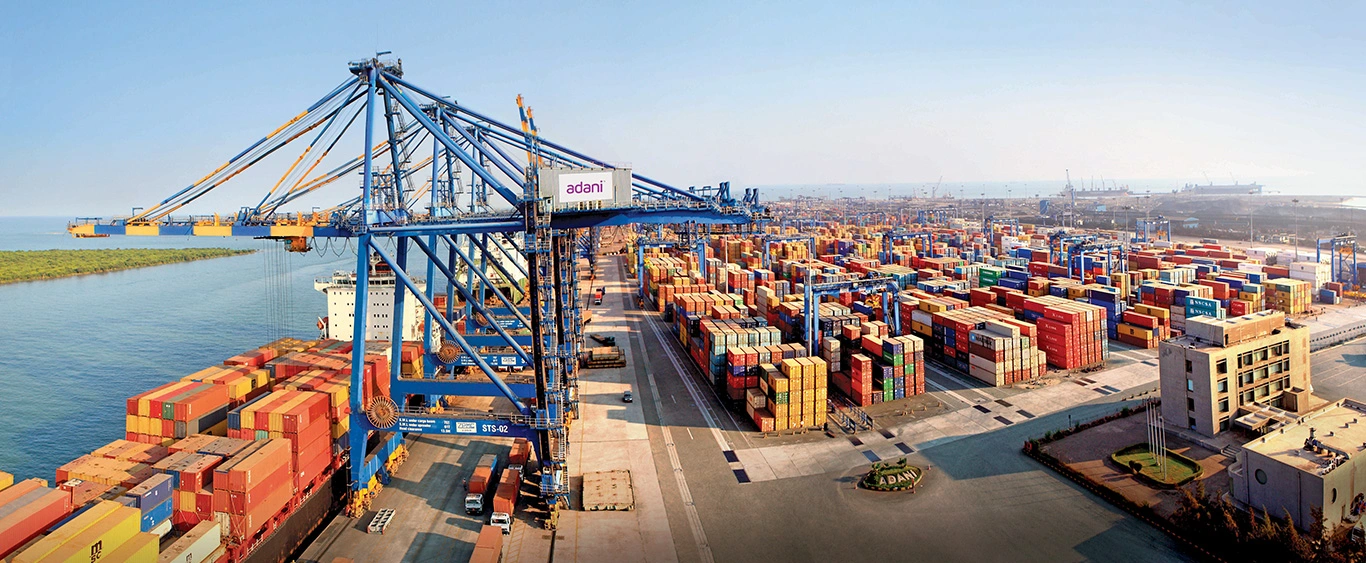
The reduction in logistics costs and the elimination of cascading taxation have made manufacturing in India more cost-effective compared to other countries. This has attracted global manufacturers to set up their facilities in India.
The government's focus on improving infrastructure, such as roads, railways, and ports, has also played a significant role in attracting manufacturers to India. A well-developed infrastructure is essential for efficient supply chain operations.
India has a large and skilled workforce, which is another factor attracting manufacturers to the country. The availability of skilled labor at competitive wages makes India a cost-effective manufacturing location.
The Indian government has introduced various incentives and policies to promote manufacturing, such as tax breaks, subsidies, and special economic zones. These incentives have made India an attractive destination for foreign and domestic manufacturers.
Areas for Improvement and Challenges
Of course, the tax regime, though simplified under GST, remains, even today, pretty complex to small and medium-sized enterprises. Rules and regulations may overlap or contradict each other, thus becoming tough to understand and comply with.
Also, The GST framework indeed has its problems with the gaming industry, as it makes it difficult for most of these businesses due to a 28% tax level imposed equally for Game of Chance-like casinos and online gambling and Game of Skill-like chess and ludo. States like Tamil Nadu have expressed dissent from this tax and highlighted all concerns coming up within the sector.
Resolution to these may be the clue to sustainable growth of the gaming sector in India.
The initial GST adoption also had teething troubles, ranging from tech-related glitches to difficulties in the adaptation process. Though these issues have largely been addressed, their impact during the nascent stages for businesses cannot be ignored.
The GST structure in terms of rates and exemptions has been a bone of contention and debate. Many business groups have raised concerns over how certain rates would affect their ventures.
Last but not least, infrastructure like roads, railways, and warehouses would influence the effectiveness of GST implementation. A good many investments have been made in the infrastructure in the last few decades; however, challenges in some areas remain.
The impact of GST on the unorganized sector is mixed in nature. As a matter of fact, many businesses within this unorganized sector have enjoyed the simpler tax regime under GST, while others struggled to cope with the new regulatory environment.
Future Prospects
India would continue and go through the transformation of the changing economy as the regime of GST would be refined further. The simplification of the tax system and making it easy for businesses to address their pain points will be the essence of the long-term success of GST.
GST has had a phenomenal effect on the supply chain and logistics sector in India. Despite the numerous challenges and imperfections that have prevailed, the general trend post-GST has had a positive edge. Resolving the remaining issues, forming positive outcomes, and continuing with improvement will make India an even stronger player in manufacturing and logistics on a global scale.
Explore the latest edition of Journal of Supply Chain Magazine and be part of the JOSC News Bulletin.
Discover all our upcoming events and secure your tickets today.
Journal of Supply Chain is a Hansi Bakis Media brand.
Leave Comment
Join the community of 150,000+ industry professionals
Subscribe to our Daily Newsletter
Subscribe For FreeBy continuing you agree to our Privacy Policy & Terms & Conditions
Latest





Feature Articles



Related