Article

Confidence: The Supply Chain Descriptor That Matters

April 30, 2025 4 min read
author Anamika Mishra, Sub Editor
news

In an era marked by global disruptions from pandemics and geopolitical tensions to technological upheavals confidence has emerged as the cornerstone of resilient supply chains. It's not merely about the physical movement of goods but about the assurance that these goods will arrive on time, in the right condition, and at the expected cost. Confidence encapsulates the trust stakeholders place in the supply chain's ability to withstand shocks and adapt to changing circumstances.​

The Evolving Landscape of Supply Chain Confidence

Recent years have underscored the fragility of global supply chains. Events like the COVID-19 pandemic, the Suez Canal blockage, and escalating trade wars have exposed vulnerabilities, leading to significant delays and increased costs. According to a report by The Times, such disruptions have prompted businesses to reconsider their reliance on just-in-time models, shifting towards strategies that prioritize resilience and flexibility.

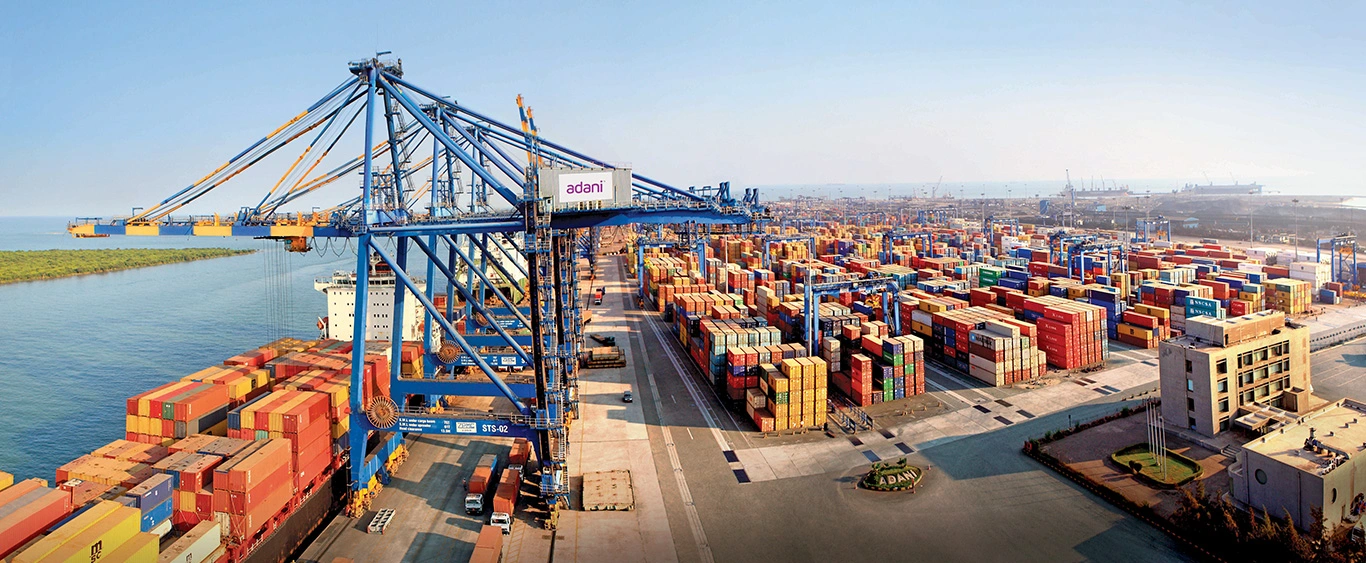
Moreover, geopolitical tensions, such as the U.S.-China trade war, have further strained supply chains. The Guardian reports that U.S. tariffs have led to a substantial decline in container shipments, with the Port of Los Angeles expecting arrivals to drop by a third year-over-year. Such statistics highlight the pressing need for supply chains to adapt and instill confidence among stakeholders.

Building Confidence Through Technology

Technology plays a pivotal role in enhancing supply chain confidence. Artificial Intelligence (AI) and predictive analytics enable companies to forecast demand accurately, optimize inventory levels, and anticipate potential disruptions. According to a study by Manhattan Associates, 80.4% of retail and supply chain leaders are leveraging AI tools to improve inventory management, demand forecasting, and customer service. ​

Additionally, real-time tracking systems, powered by the Internet of Things (IoT), offer end-to-end visibility, allowing businesses to monitor shipments and respond swiftly to issues. Automation, both in digital processes and physical operations like warehousing, further streamlines activities, reduces errors, and enhances efficiency. As per Automation.com, by 2027, more than 75% of companies are expected to integrate some form of cyber-physical automation into their warehousing workflows. 


Strategic Partnerships and Diversification

Confidence in supply chains is also bolstered by strategic partnerships and diversification. Companies are increasingly collaborating with multiple suppliers across various regions to mitigate risks associated with geopolitical tensions and localized disruptions. The Future-Ready Supply Chain Report by RRD indicates that 77% of top-performing companies utilize moderate to extensive collaboration with key suppliers on forecasting and demand planning. ​

Furthermore, businesses are investing in nearshoring and reshoring strategies to reduce dependency on distant suppliers. This approach not only shortens lead times but also enhances control over production processes, thereby increasing overall confidence in the supply chain's reliability.​

Consumer Expectations and Transparency

Modern consumers demand transparency and reliability. They expect real-time updates on their orders and assurance that products are sourced ethically and sustainably. The Manhattan Associates survey reveals that 65% of consumers prioritize free shipping, but more importantly, they value precise tracking and accurate delivery times over simply getting their orders as fast as possible. ​

To meet these expectations, companies are adopting technologies that provide detailed insights into the supply chain, from sourcing to delivery. Blockchain, for instance, offers immutable records, ensuring transparency and building trust among consumers.​

The Road Ahead

As supply chains continue to evolve, confidence remains the linchpin that holds them together. It's cultivated through technological advancements, strategic collaborations, diversification, and a commitment to transparency. In a world rife with uncertainties, businesses that prioritize building and maintaining confidence in their supply chains are better positioned to navigate challenges and seize opportunities.​

In conclusion, confidence is not just a descriptor but a strategic imperative in the modern supply chain landscape. It's the assurance that, regardless of disruptions, the supply chain will deliver—literally and figuratively.


Explore the latest edition of Journal of Supply Chain Magazine and be part of the JOSC News Bulletin.

Discover all our upcoming events and secure your tickets today.


Journal of Supply Chain is a Hansi Bakis Media brand.

Leave Comment

logo

Subscribe to Our Newsletter

The week’s best stories, handpicked by JOSC editors in your inbox every week.

Stay informed with exclusive content