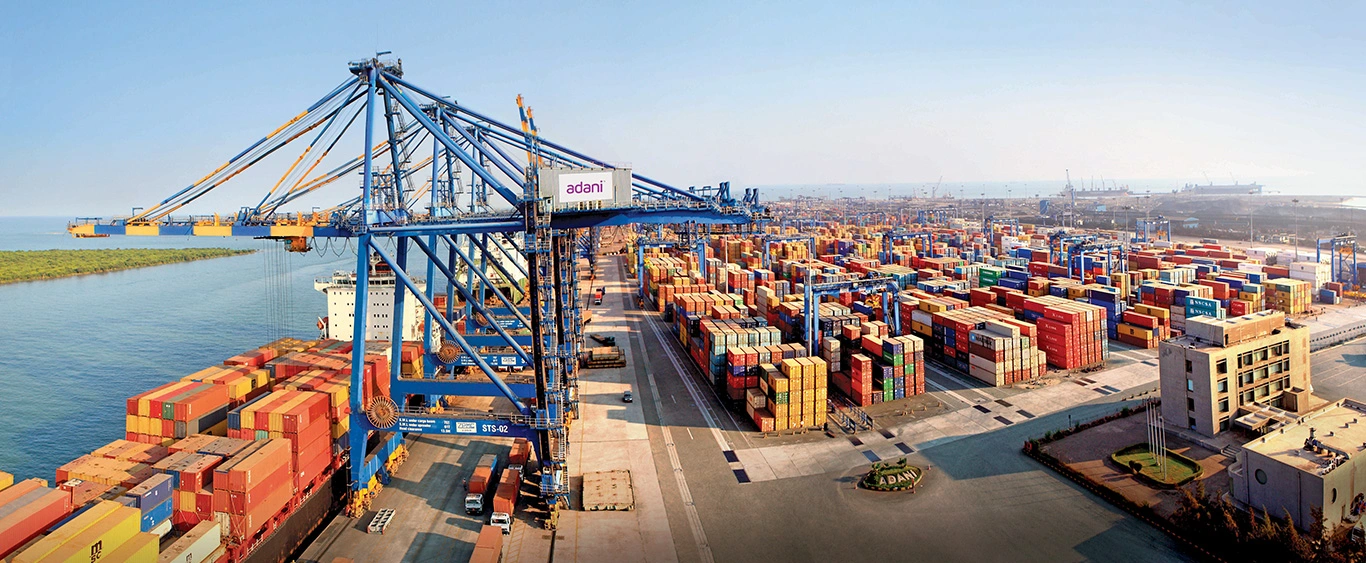
It is changing the global supply chain landscape. India happens to be one of the preferred alternative destinations which replace China. A combination of geopolitical tensions, the need to shift economic strategies and changes in consumer preferences compels these companies to reassess their dependence on supply chains. India comes across as not only a viable alternative but as a strategic partner for future growth. The article details the power play through an analysis of this shift, using statistics from the Indian government and other credible sources.
The Shift from China to India
Geo-political Factors
The geopolitical climate becomes an integral part of the change in global supply chains. Escalating US-China trade tensions, coupled with the COVID-19 pandemic and its consequent supply chain disruptions, have created compelling reasons for many companies to reevaluate their dependence on China. According to a Deloitte survey conducted in 2022, as much as 61% of US executives ranked India ahead of China in manufacturing capabilities, which reflects the negative attitude of sentiment to shift supply chains away from China for reasons of perceived risks associated with sourcing from there.
Economic Performance
The Indian economy has proved to be a resilient and potential growth engine that contrasts with the current recession in China. As far as 2023 is concerned, India's gross domestic product growth is expected to have touched 6.3 percent, two-tenths more than China's estimated 5 percent in the same year, according to the International Monetary Fund. This economic growth pattern makes India an attractive investment and manufacturing destination.
According to the RBI, the FDI inflows into India stood at $83 billion in FY 2021-22, with evidence of growing confidence among international investors.
Labor Force and Workforce Dynamics
India also has a young and motivated workforce that is required to enhance manufacturing capacity in different industries. With an approximate population of 1.4 billion, India possesses a population advantage over China, the population of which is considered to be aging. The World Bank estimates that about 65% of the Indian population is below the age of 35 years. Skilled labor availability at competitive costs is an attraction in India for companies looking forward to optimization of their processes.
Government Policies and Incentives
Make in India Initiative
The Indian government has implemented various schemes with the ultimate goal of promoting manufacturing and attracting FDI. The Make in India initiative encourages companies to manufacture inside the country rather than importing products. The results of the initiative have been a success, as over the past six years since its launch in 2014, more than $200 billion has been attracted in FDI across sectors.
Infrastructure Investment
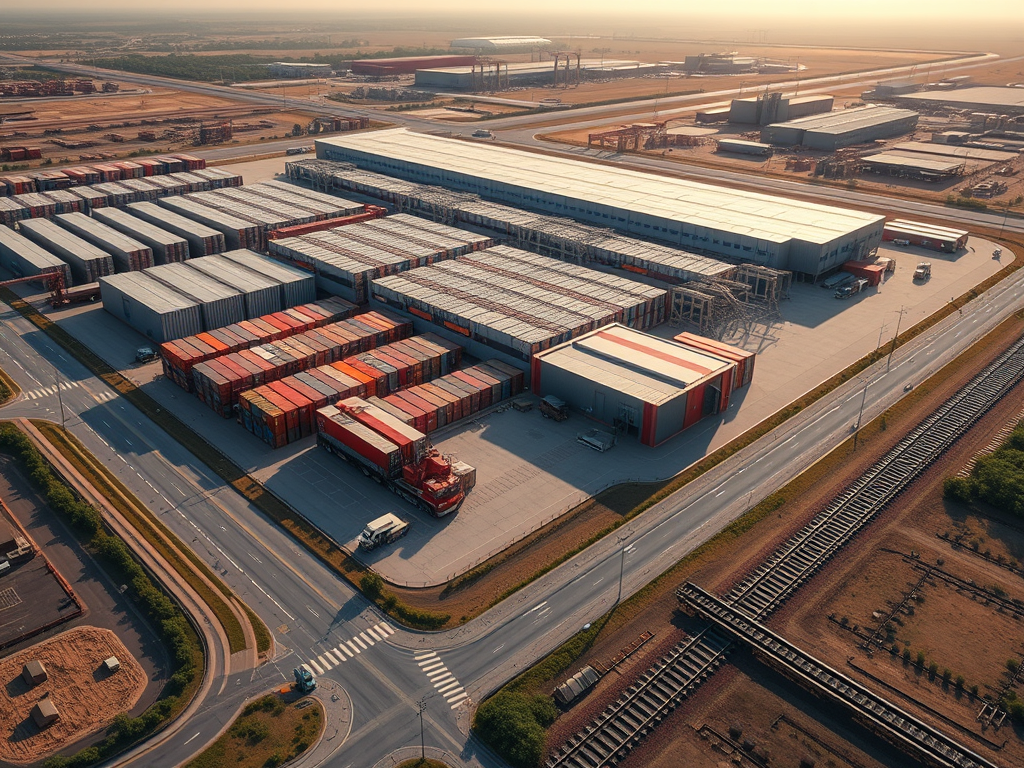
Investment in India's infrastructure is done in transportation networks, logistics hubs, and digital connectivity. The Ministry of Road Transport and Highways states that the government shall invest approximately $1.4 trillion in infrastructure development by the year 2025. For instance, the government plans to build multi-modal logistics parks to further improve the movement of goods in the country.
Trade Agreements
India has further fortified its trade ties with other nations in terms of strengthening its position within global supply chains. The recently inked trade agreements with countries such as Australia and the UAE aimed at enabling better access to Indian products to markets and reducing import tariffs. Indian merchandise exports had surged to around $400 billion in FY 2021-22, as per Department of Commerce data, thereby also indicating a marked increase in the country's overall place in global trade.
Challenges Ahead
Quality Assurance and Standards
India has many strengths, but quality parameters still lag behind international standards. For instance, reports compiled by the U.S.-India Business Council show that a key reason why firms do not buy from India is the lack of assurance regarding the quality of goods purchased and the risk of late delivery. Indian manufacturers will need to upgrade their production processes and apply global parameters for quality in order to overcome these barriers.
Intellectual Property Concerns
Despite this, IP protection remains a concern for foreign investors in India. According to a survey conducted by the American Chamber of Commerce, around 70% of the U.S. companies reported problems connected with IP theft or lack of proper enforcement regarding the full spectrum of Indian IP laws. Thus, better enforcement of IP laws will greatly enhance the process of establishing trust between foreign investors and the government.
Competition from Other Countries
While India is gradually becoming a substitute for China, the business-friendly southern neighboring countries in Southeast Asia - Vietnam and Thailand are not beyond competition. The countries provide cheaper labor costs and a welcoming environment to investment; for instance, FDI inflows into Vietnam increased to approximately $15 billion in 2022, the Vietnam General Statistics Office reported. An improvement in the business climate and a strengthening of the manufacturing capacities should serve as an imperative in the best interest of the country to ensure that it maintains its competitive edge.
Case Studies: Companies Shifting Gear
Walmart's Diversification
Walmart has been importing considerably more products from India and reducing dependence on Chinese goods. Import Yeti suggests that Walmart's diversification covers anything from toys, electronic items, and pharmaceutical products to packaged food. In FY 2022-23, Walmart imported approximately $3 billion worth of commodities from Indian manufacturers alone
Apple's Investment in India
Apple Inc., a company that all along relied on Chinese manufacturing for its products, is doubling its investments in India. The company would look forward to expanding its manufacturing footprint through partnerships with suppliers based locally like Foxconn. Reports from Counterpoint Research go into indicating that the share of the company's production in Indian smartphones is expected to reach 25% by 2025 when it was at a mere 5% in 2020.
Future Prospects: India's Role in Global Supply Chains
Strategic Partnerships
The new geopolitics is likely to play a major role in forming strategic partnerships with countries such as the United States. This will form the canvas of India's position in the global supply chains through greater cooperation over technology transfer, research, and development along with joint ventures, thereby creating a progressively stronger base for India as a reliable manufacturing location.
Focus on Sustainability
Global supply chains are highly adopting sustainability. Companies tend to focus on sustainable practices and green sources. India's importance in developing renewable energy follows the current trend, as reported by the Ministry of New and Renewable Energy, which aims to reach 500 GW capacity of renewable energy by 2030.
Digital Transformation
India can excel in the digital transformation of its supply chains. AI, blockchain, and IoT will help Indian manufacturers achieve efficiency and transparency in their supply chains. According to a report by McKinsey & Company, another $1 trillion can be added to India's GDP from digital adoption by 2025.
The shift in dominant supply chain roles from China to India is a historic transition with strains of geopolitics, improved economic performance, and many factors in between. While issues persist in the form of concerns over quality assurance and intellectual property apprehensions, proactive government initiatives, a youthful workforce, and strategic partnerships all point well toward better growth for the country going forward.
With the renewed interest of companies to reimagine their supply chain strategies in view of changing dynamics, India's emergence as a reliable alternative offers not only greater economic opportunity but also a pathway toward greater resilience in countering geopolitical risks. As policymakers and businesses navigate this complex landscape, the coming years will be decisive.
Explore the latest edition of Journal of Supply Chain Magazine and be part of the JOSC News Bulletin.
Discover all our upcoming events and secure your tickets today.
Journal of Supply Chain is a Hansi Bakis Media brand.
Subscribe to our Daily Newsletter
Subscribe For FreeBy continuing you agree to our Privacy Policy & Terms & Conditions