Article
Warehouse Trends for 2025: Innovations Shaping the Future
 Anamika Mishra,
Sub Editor
Anamika Mishra,
Sub Editor

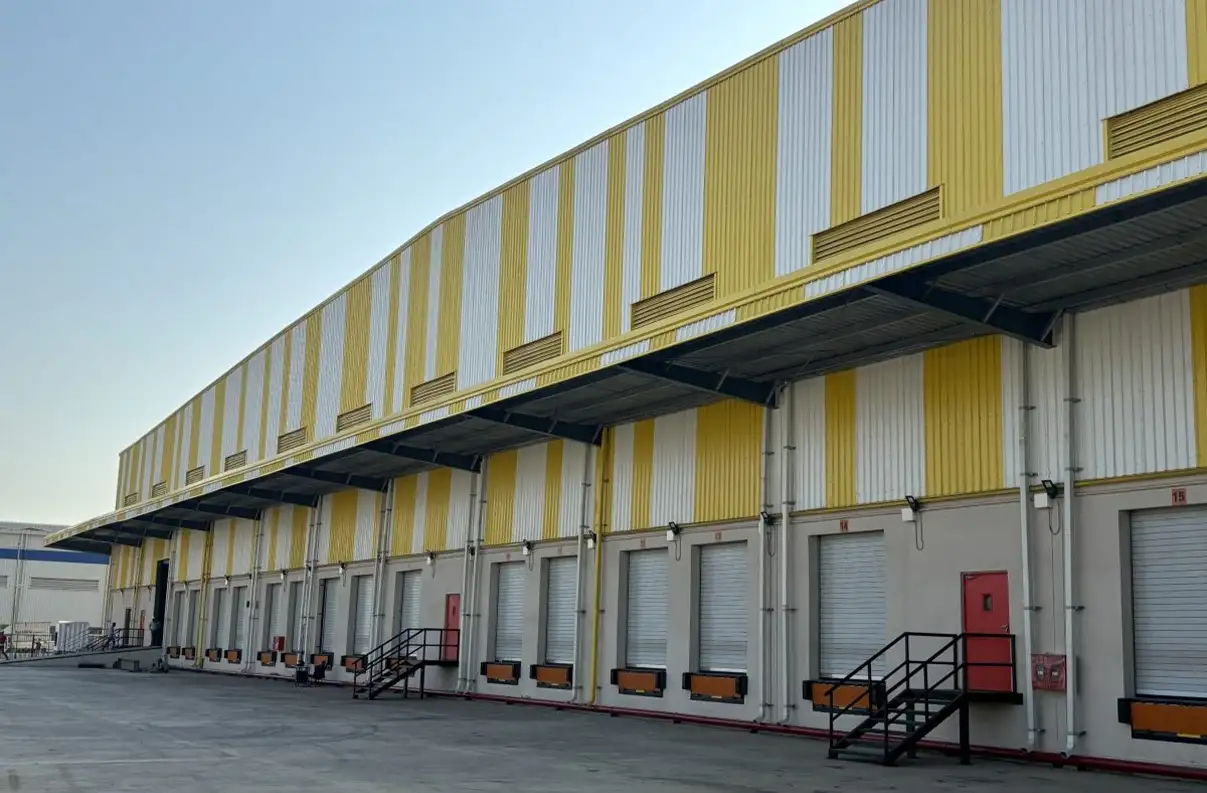
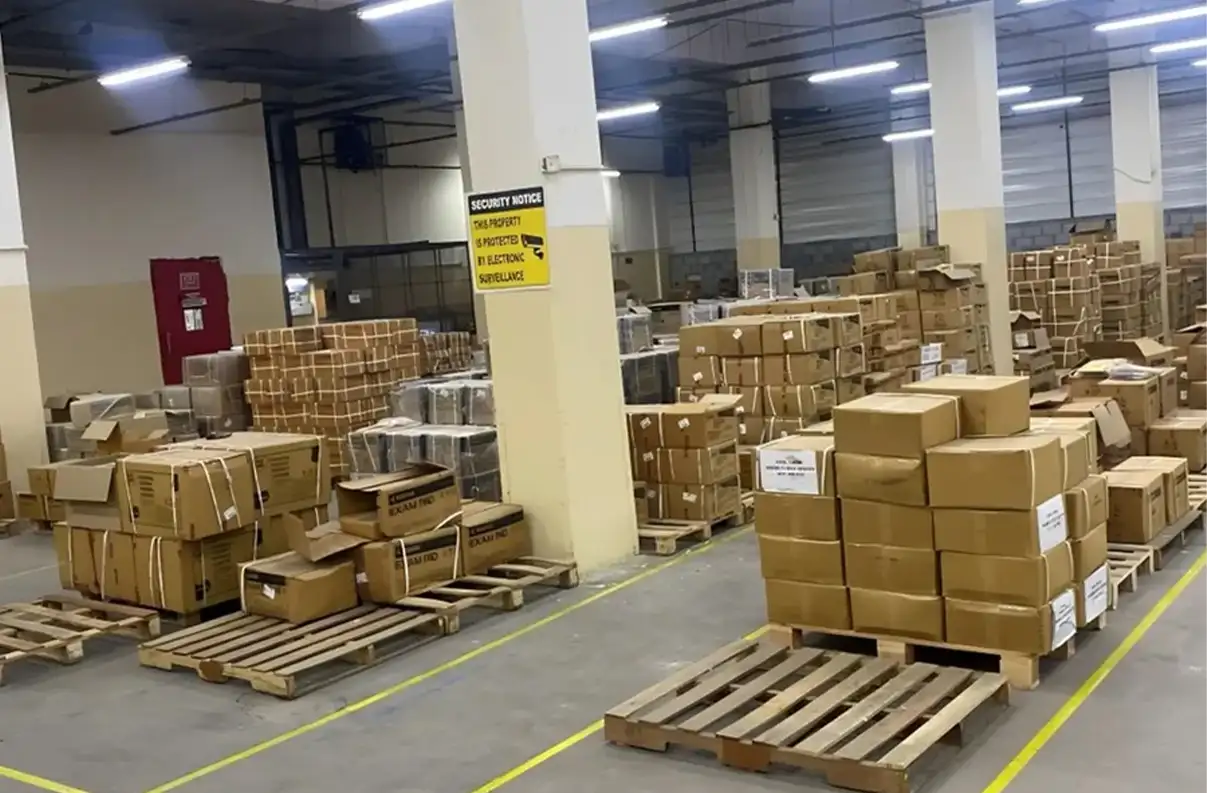
The year 2025 is set to bring major advancements in warehouse operations, fueled by technological innovation, changing consumer expectations, and the growing demand for efficient supply chain management. Historically seen as the backbone of logistics, warehouses are undergoing a significant transformation. From automation to sustainability, here are the key trends expected to shape warehouses in 2025.
Increased Automation and Robotics
Automation continues to be at the forefront of warehouse innovation. By 2025, the use of autonomous mobile robots (AMRs) and automated guided vehicles (AGVs) will become more widespread. These robots are capable of independently navigating warehouse floors, picking and transporting items, and optimizing inventory flow. Advanced robotics solutions are expected to reduce human error, enhance speed, and improve overall accuracy in order fulfillment.
Moreover, collaborative robots (cobots) that work alongside human employees are becoming increasingly common, improving productivity while ensuring workplace safety. With advancements in AI and machine learning, warehouses will adopt smarter systems capable of self-learning and adapting to dynamic environments.
AI-Powered Inventory Management
Artificial intelligence is revolutionizing inventory management. AI-driven systems can analyze historical data, predict demand, and recommend optimal stock levels. Predictive analytics will help warehouses reduce overstocking and understocking issues, ultimately leading to cost savings and enhanced customer satisfaction.
AI can also streamline supplier coordination, improve demand forecasting accuracy, and enable real-time inventory tracking. This ensures that warehouses operate with maximum efficiency, minimizing downtime and improving order accuracy.
Conference

Conference

Conference

Conference

Conference

Conference

Summit

Sustainability Initiatives
Sustainability is no longer optional; it's a business imperative. Warehouses in 2025 will adopt green practices such as energy-efficient lighting, renewable energy sources, and waste reduction initiatives. Solar-powered warehouses and the use of electric vehicles for intra-warehouse transport are becoming more prevalent.
Additionally, eco-friendly packaging solutions and recycling programs will be integrated into daily operations. Companies will also focus on reducing their carbon footprint through smart route optimization and energy management systems.
IoT and Smart Warehousing
The Internet of Things (IoT) is ushering in the era of smart warehousing. IoT-enabled sensors and devices allow real-time monitoring of temperature, humidity, and other environmental factors critical for storing sensitive goods such as pharmaceuticals and perishables.
Smart shelves equipped with RFID tags and IoT sensors will provide real-time updates on inventory levels. This level of connectivity ensures faster decision-making and enables predictive maintenance of warehouse equipment, reducing downtime and operational disruptions.
Enhanced Cybersecurity
As warehouses become increasingly digital, cybersecurity becomes a critical concern. Cyber threats can disrupt operations and lead to significant financial losses. In 2025, companies will invest heavily in robust cybersecurity protocols, including advanced firewalls, encryption, and multi-factor authentication systems.
Regular cybersecurity audits, employee training on data protection, and the implementation of blockchain technology for secure transactions will be standard practices in future warehouses.
Workforce Augmentation and Training
Despite the rise of automation, human workers will remain essential in warehouses. However, their roles will evolve. In 2025, warehouses will focus on workforce augmentation, where employees are equipped with wearable technology, such as augmented reality (AR) glasses, to improve their productivity and reduce errors.
Training programs will also play a crucial role in equipping workers with the skills needed to operate advanced machinery and use AI-powered tools. Cross-functional teams capable of managing both manual tasks and digital operations will be in high demand.
Lastly, the warehouse of 2025 will be smarter, greener, and more efficient, driven by advancements in automation, AI, IoT, and sustainable practices. Companies that adopt these trends early will gain a competitive edge in the rapidly evolving logistics landscape. As warehouses continue to evolve, they will play a crucial role in ensuring seamless supply chain operations and meeting the demands of a fast-paced, digital-first world.
Explore the latest edition of Journal of Supply Chain Magazine and be part of the JOSC News Bulletin.
Discover all our upcoming events and secure your tickets today.
Journal of Supply Chain is a Hansi Bakis Media brand.
Leave Comment
Join the community of 150,000+ industry professionals
Subscribe to our Daily Newsletter
Subscribe For FreeBy continuing you agree to our Privacy Policy & Terms & Conditions
Latest






Feature Articles





Related